about me ↓
Hi, I'm Darrius Taylor
I'm a product builder and recovering software engineer with over a decade of experience building and designing applications.
I use technology as my creative medium to rapidly develop
innovative experiences, having done
just that for Capital One, General Assembly, AARP, and Symplicity. My sweet spot is making sure
user needs and business goals enthusiastically high-five.
My recent obsession?
Helping to
pioneer the wild frontier of multi-agent systems and driving
Product-Led Growth (PLG)
initiatives to deliver measurable impact.
CURRENT FOCUS
Driving Product-Led Growth (PLG) for reCAPTCHA and designing scalable frameworks for Agentic Defense.
CORE STRENGTHS
personal projects ↓
Pinch releasing fall 2026
↗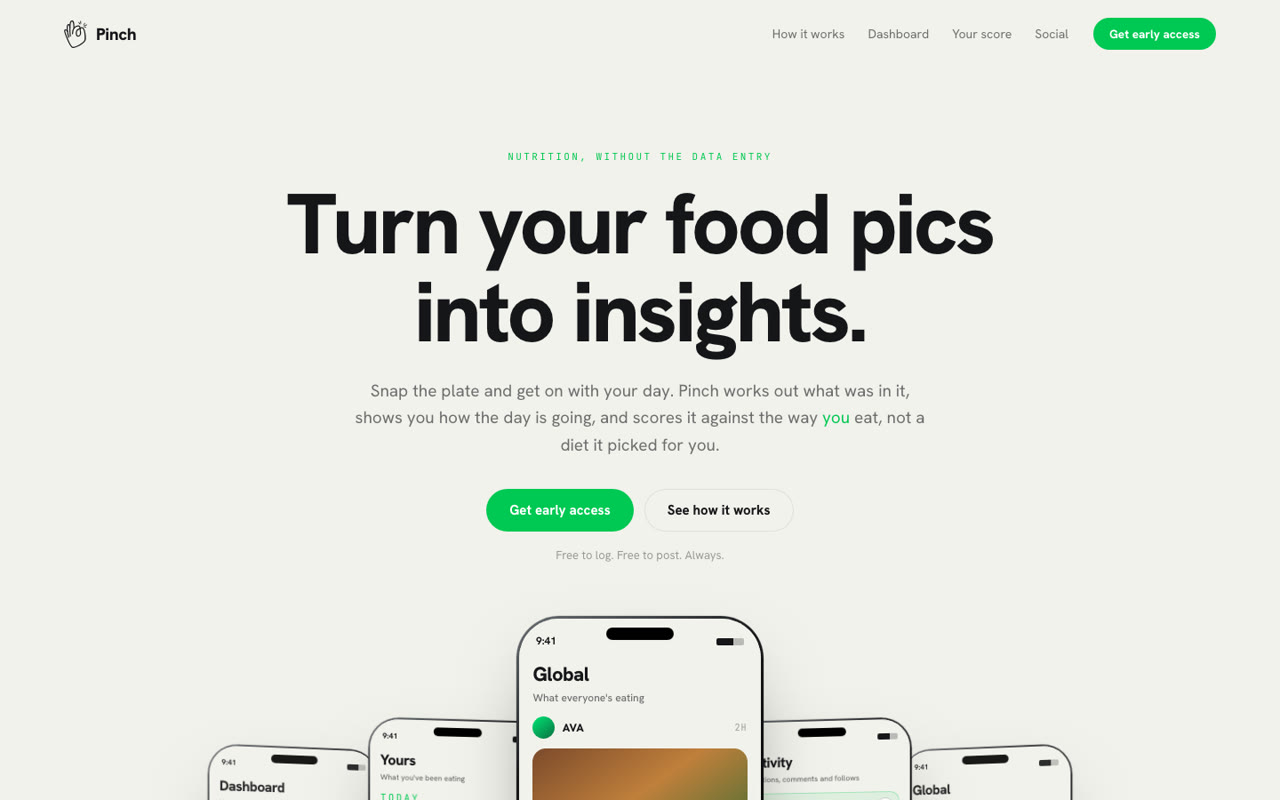
What it is: Photograph a meal and Pinch works out what was in it. Ingredients, portions, calories and macros in a couple of seconds, always presented as the honest estimate it is. Or skip the camera and just say it: "two eggs and sourdough" is enough. No food database, no serving sizes, no scrolling nineteen kinds of yoghurt.
The idea it rests on: Most nutrition apps score how little you ate. Pinch scores the quality of it, and grades that against the way you eat rather than a diet it picked for you. Eat keto and other apps mark you down for skipping the bread. Eat carnivore and they fail you outright. Pinch holds everyone to the things nobody argues about, enough vegetables and protein, not too much sodium and sugar, then judges the rest by your own way of eating. The same salmon bowl moves from 65 to 92 once the score understands the person eating it.
What you get back: One number for the day, one for the week, and the single change that would move it most tomorrow. Seeing the six good days around one rough lunch is the point: not a streak you are afraid to break, but progress you can actually point at.
Why it is social: Good habits are contagious. Watching someone you know start eating well makes it look like something you could do too, so Pinch gives that a room: real plates from real people, each wearing the score its day earned. Free to log, free to post.
Building RCS Text messaging into the Even Realities G2 Smart Glasses Aug 2026
↗To try it you need a pair of Even Realities G2 glasses and an Android phone.
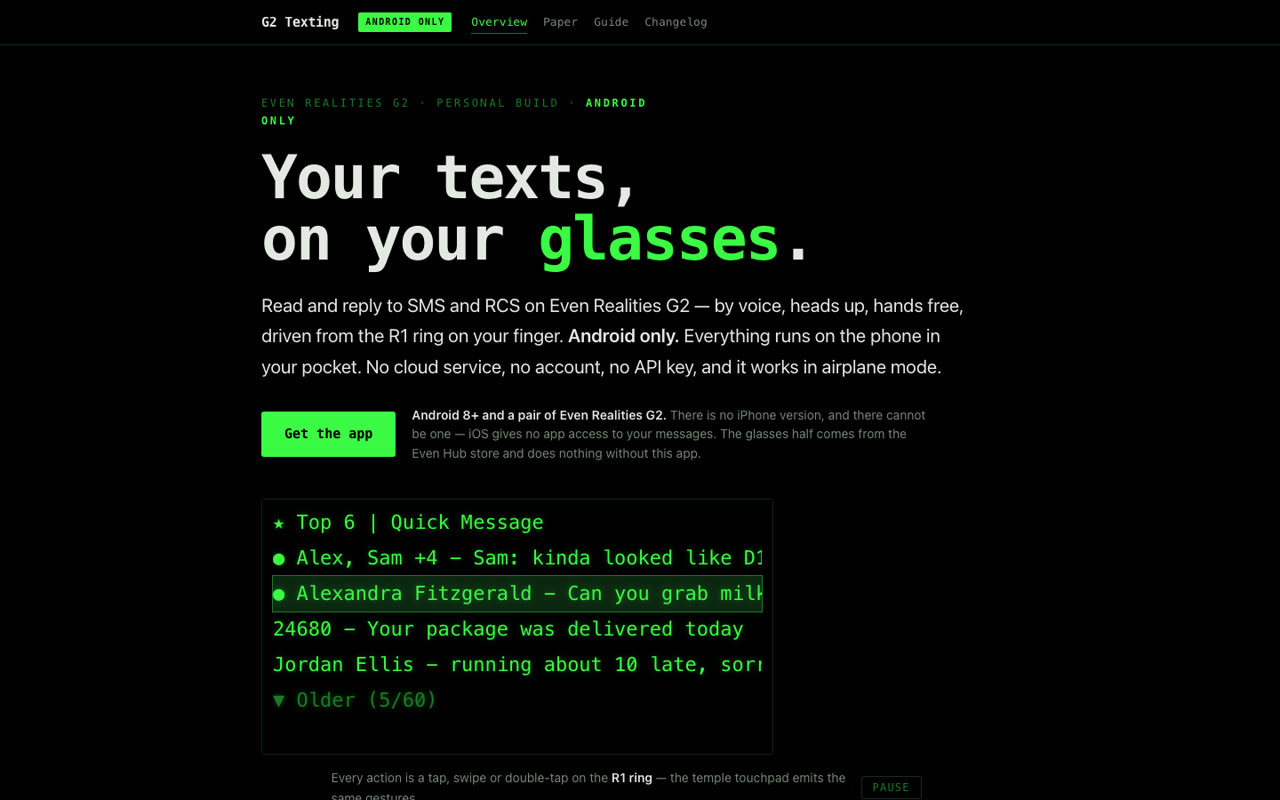
What it is: Read and reply to SMS and RCS on Even Realities G2 smart glasses, by voice, heads up and hands free, driven from the R1 ring on your finger. Everything runs on the phone in your pocket. No cloud service, no account, no API key, and it works in airplane mode.
The constraint is the brief: The glasses are a display and an input terminal over a Bluetooth link that moves 10 to 30 KB per second. You never draw pixels, you create containers and update them through a bridge. The canvas is 576 by 288 per eye in sixteen shades of green, and every control row costs about 40 of those 288 vertical pixels, so three buttons leave roughly four lines for the message itself.
Why it has two halves: An Even Hub app is not native code on the glasses, it is a web app in a WebView. Sandboxed browser JavaScript cannot read the SMS provider, cannot send through SmsManager, cannot register the notification listener that is the only way to see RCS at all, and cannot reach the platform speech recogniser. So a Kotlin bridge app holds the permissions and the TypeScript plugin holds none of them.
Privacy by structure, not by promise: Both halves live on the same phone, so localhost genuinely means localhost and the request never touches a network. The bridge binds loopback only, which makes the messages API unreachable from your Wi-Fi rather than merely protected on it. No analytics, no crash reporting, no tracking library of any kind.
Android only, and permanently so. iOS gives no app access to your messages, so there is no iPhone version and there cannot be one.
XR and AI Glasses Audio Platform essay · Jul 2025
↗The bet: Audio becomes the primary medium for consuming information once people move to XR and AI glasses. Not voice assistants answering trivia, but a continuous, private, audio-first channel for actual content.
The problems it names: Phones interrupt visually and demand you pull information toward you, which fragments attention by design. Battery life and all-day headphone discomfort block genuinely always-on access. Content providers are being mined by AI models with no attribution or compensation. And the web is not built semantically for audio output, so there is no infrastructure to deliver it well.
Published on Medium, July 2025. A six-minute read.
Spatial Computing Concept: Always-On Utility
↗Philosophy: XR/VR headsets have a real estate problem. Despite a massive FOV, the OS treats the home screen like a big mobile device requiring manual app launching. The experience feels like a checklist of features rather than an additive improvement to daily life.
Concept: The headset should leverage its "infinite canvas" to persist essential data by default, treating the OS as a spatial computer rather than just emulating tablets. Widgets like Google Messages, Weather, Stocks, and calendar should exist in the environment, allowing an instant glance without hiding them behind app icons.
Prototype: TV Mode Entry acts as a portal triggering transition into a dashboard with persistent widgets. A simple gesture instantly surfaces these utilities over any running app, optimizing for the most frequent tasks like checking texts, switching music, or seeing notifications.
work ↓
reCAPTCHA to Google Cloud Fraud Defense 2 years
The through-line: The product emits a number between zero and one and then refuses to act on it. The customer sets the threshold. Which means the perceived value of the product sat with people who did not fully understand the product, for three reasons: the console never used its own real estate to say what it was worth, it relied on customers having read documentation almost nobody reads, and there was a general misunderstanding of how scoring works.
How I found the work: On joining I asked for a walkthrough, then screenshotted every screen in the product and mapped what it actually took to finish each task. I defined what I expected each task to do and checked whether it did. Most of the functionality was already there. The problem was that tasks I thought I had completed turned out to be half done, and nothing told me so until much later. That audit became the queue, and the case study is the queue being cleared: key creation, the admin-to-developer handoff, test mode, the badge that said protected when nothing was being checked, per-action thresholds, rule authoring with simulation, and pricing.
What it is really about: designing the places where a person decides whether to believe a machine, and building the manual path that earns that belief.
The full case study is password protected. It walks the console screen by screen with the before and after work, and covers a product I worked on inside Google Cloud, so it is shared by password rather than published.
No password? Ask me for access.
Verification as a Service (VaaS) concept
↗The inversion: Detection asks an unanswerable question, is this traffic fake. Verification asks an answerable one, can this session prove it belongs to a person. Two decades of increasingly aggressive bot detection has mostly succeeded at penalising real people, who now click fire hydrants and lose concert tickets to software that checks out in milliseconds.
The shape of it: A platform holding an identity system, a browser and a paid consumer product can issue a verified-human credential and carry it silently across the web. That creates a two-sided market: consumers get the absence of friction, businesses pay for inventory that can be guaranteed human-viewed, and the payment funds the consumer benefit. The credential must be zero-knowledge or it is just cross-site tracking wearing a safety badge.
The full proposal is password protected. It carries the detailed revenue model, unit economics and interface work. The public version is behind the arrow above.
No password? Ask me for access.
Multi-agent pipeline orchestrator
What it does: A multi-agent pipeline that takes a brief and produces the downstream artifacts a team actually needs: generated user journeys, synthesized research, and a packaged deployment at the end.
Why it matters: The work between having an idea and having something a team can review is mostly assembly. Automating that assembly means the review happens against something real instead of a description of something real.
The walkthrough is password protected. It records internal tooling, so the ten-minute video sits behind the password rather than on the public site.
No password? Ask me for access.
Project Archie: Rethinking Agent Orchestration New April 6, 2026
↗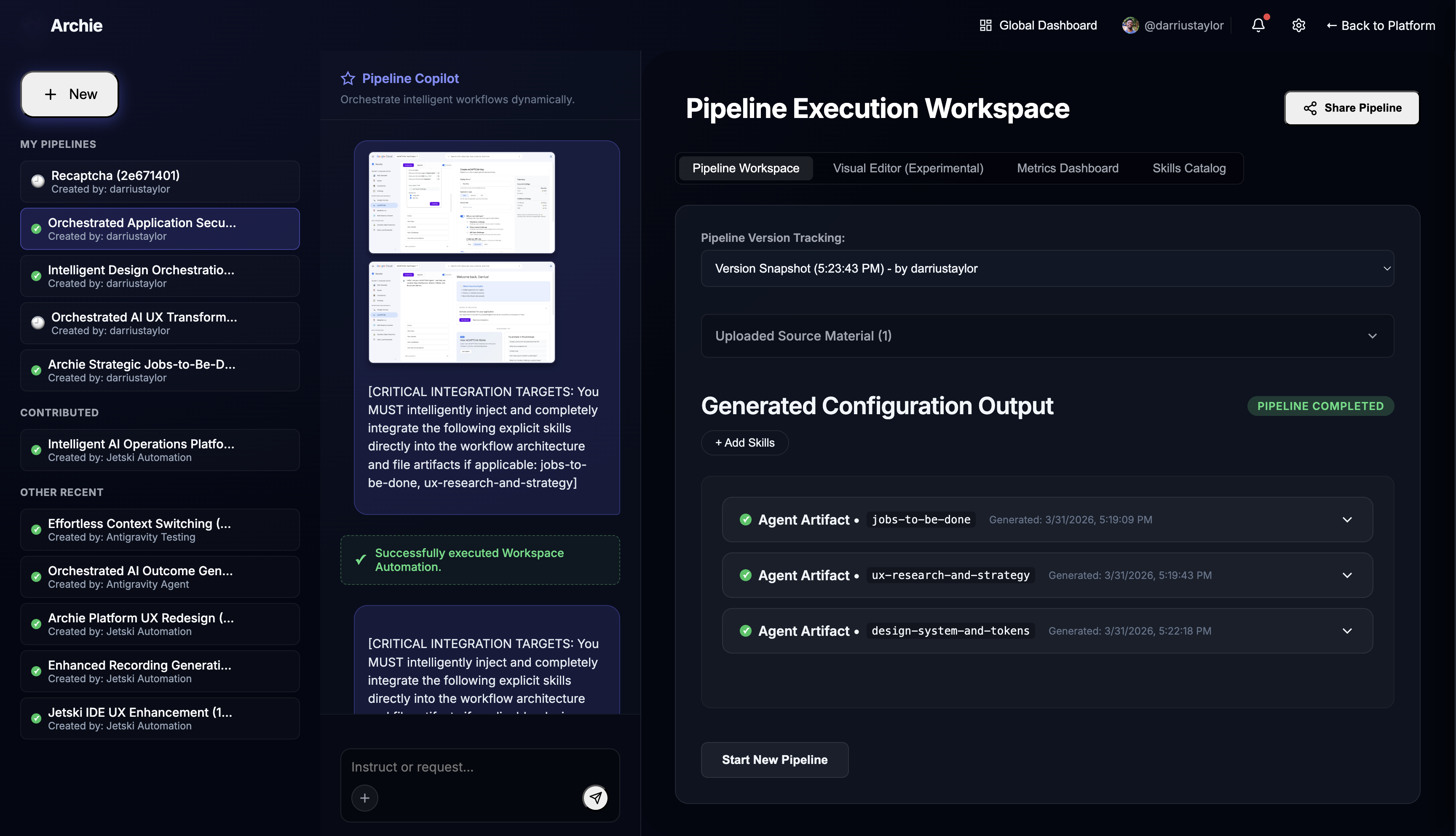
Rationale: Rethinking agent orchestration to prevent silos within teams and facilitate cross-functional collaboration.
Solution: A platform that tracks changes, captures UI screenshots, and uses agents to generate context and artifacts to keep the team informed.
reCAPTCHA Agentic Console & Policy Engine
↗Agentic Intelligence
Challenge: Bridging the "Cognitive Gap" between abstract security goals and concrete technical execution for enterprise administrators.
Solution: Transformed reCAPTCHA's configuration from fragmented UI components into an intent-driven, agentic dialogue with hybrid interaction points.
Impact: Eliminated configuration paralysis by empowering users to summon necessary UI dynamically, establishing trust via 'Auto Run' controls.
Policy Engine & PLG
Challenge: Transforming reCAPTCHA from an invisible technical service (<3% MAUs) suffering from a lack of user-facing interface, hindering its value proposition.
Solution: Authored "Console Revamp Strategy" and designed an intuitive UI for manual/auto-execute rule logic. Proposed a unified Pay-as-You-Go model.
Impact: reCAPTCHA Enterprise became the fastest-growing consumption product in Cloud Security (>500% growth). De-risked the 2026 PLG roadmap and established a scalable rule-creation framework.
The "Triad" Framework
↗Challenge: Fragmented policy authoring and complicated access management interfaces across Google Cloud Platform.
Solution: Conceptualized a standard UI primitive (The Triad) to visualize and resolve user access management pain points.
Impact: Successfully launched in H1'24, integrating with Principal Access Boundary (PAB), IAM Deny, and Chrome Enterprise Premium. Adopted by 4 of the top 500 customers, standardizing security management.
VPC-SC Troubleshooter v2
Challenge: Users struggled diagnosing perimeter denials. UIE constraints slowed experimental feature development tracks.
Solution: Led end-to-end UX for Troubleshooter v2, Granular Controls, and built real-time prototypes using public APIs to centralize 5 disparate services.
Impact: Accelerated roadmap placement by a full year. Increased adoption by 60% and improved task success by 5% during perimeter creation, winning praise from Fortune 500 clients.
Google Cloud Tags UX
Challenge: Driving consistent user experience and mitigating friction across varied GCP services embedding Cloud Tags.
Solution: Led user research, authored comprehensive design checklists, and facilitated cross-functional design alignment (GCS, IAM, GKE, KMS).
Impact: Ensured high product quality for the GCS Tags Public Preview and defined better co-development processes for future cross-product collaborations.
Cloud Detour
↗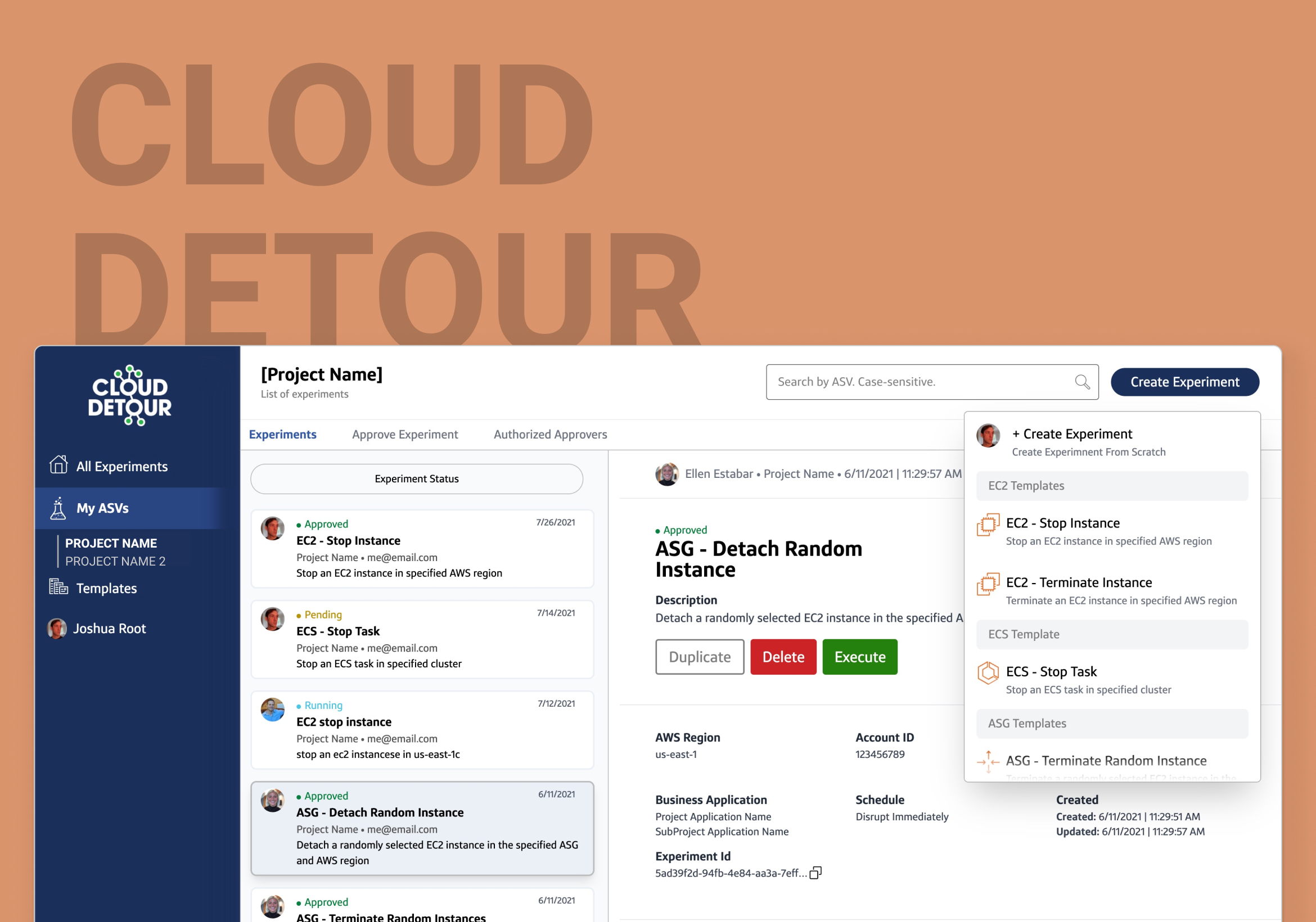
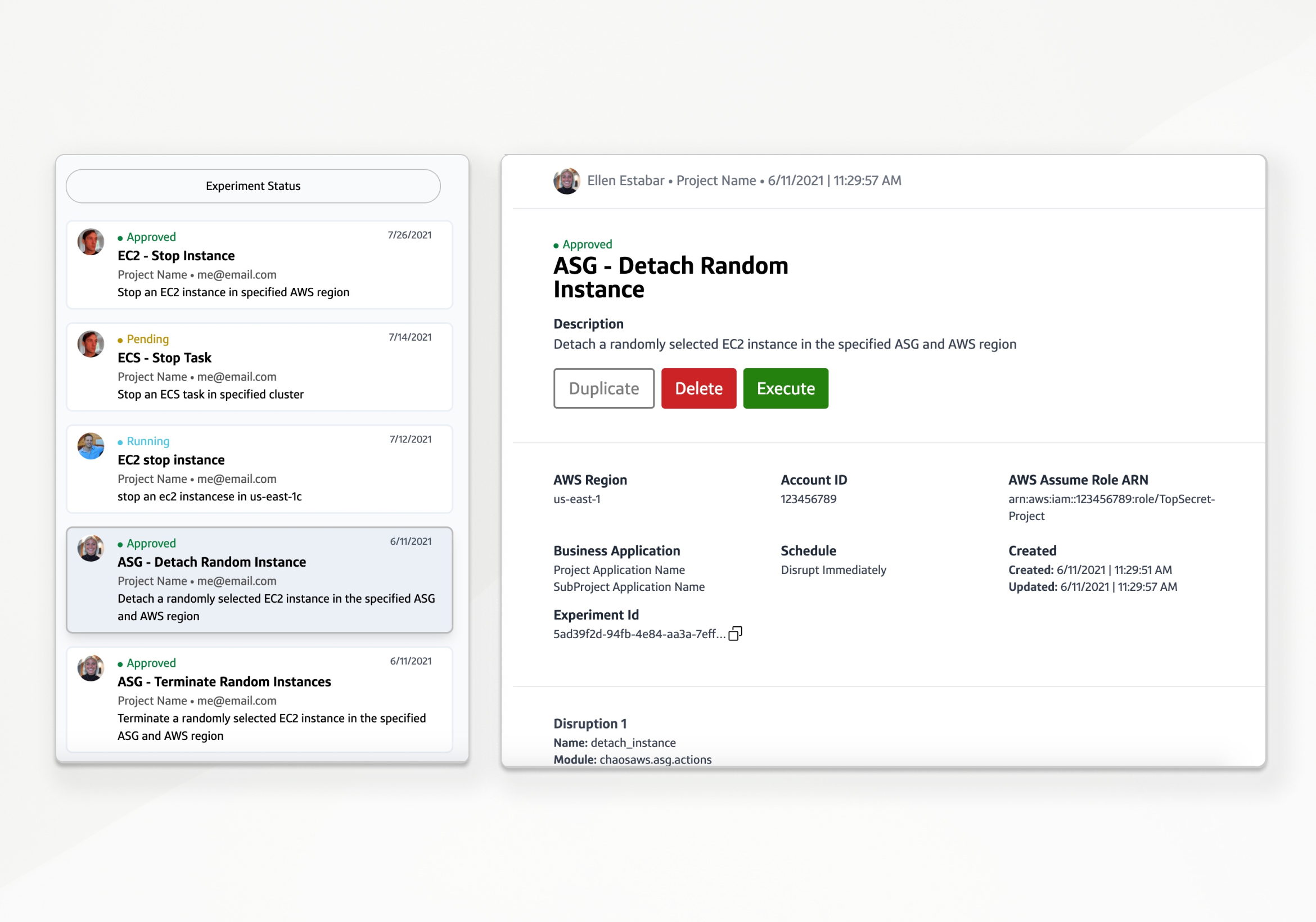
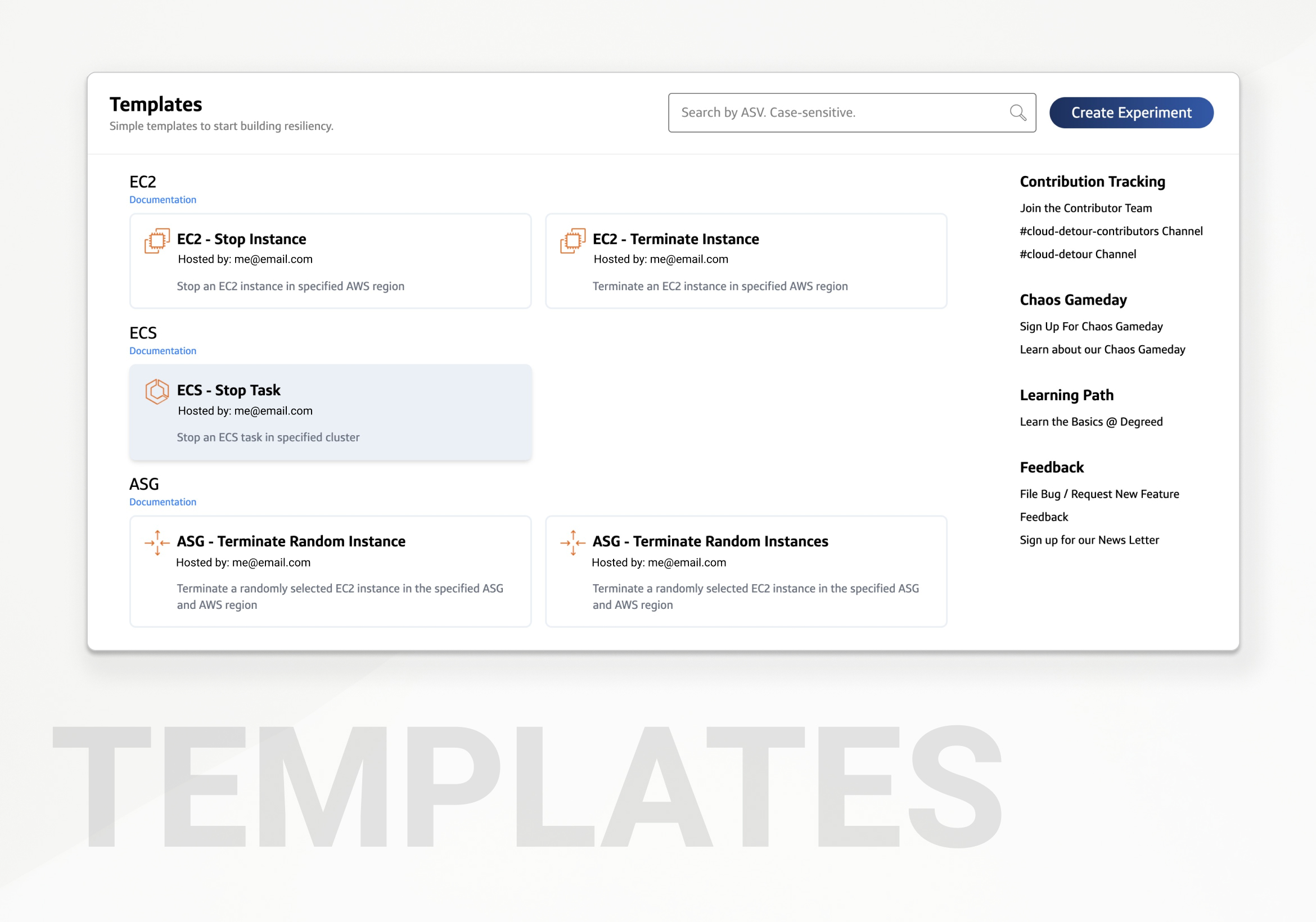
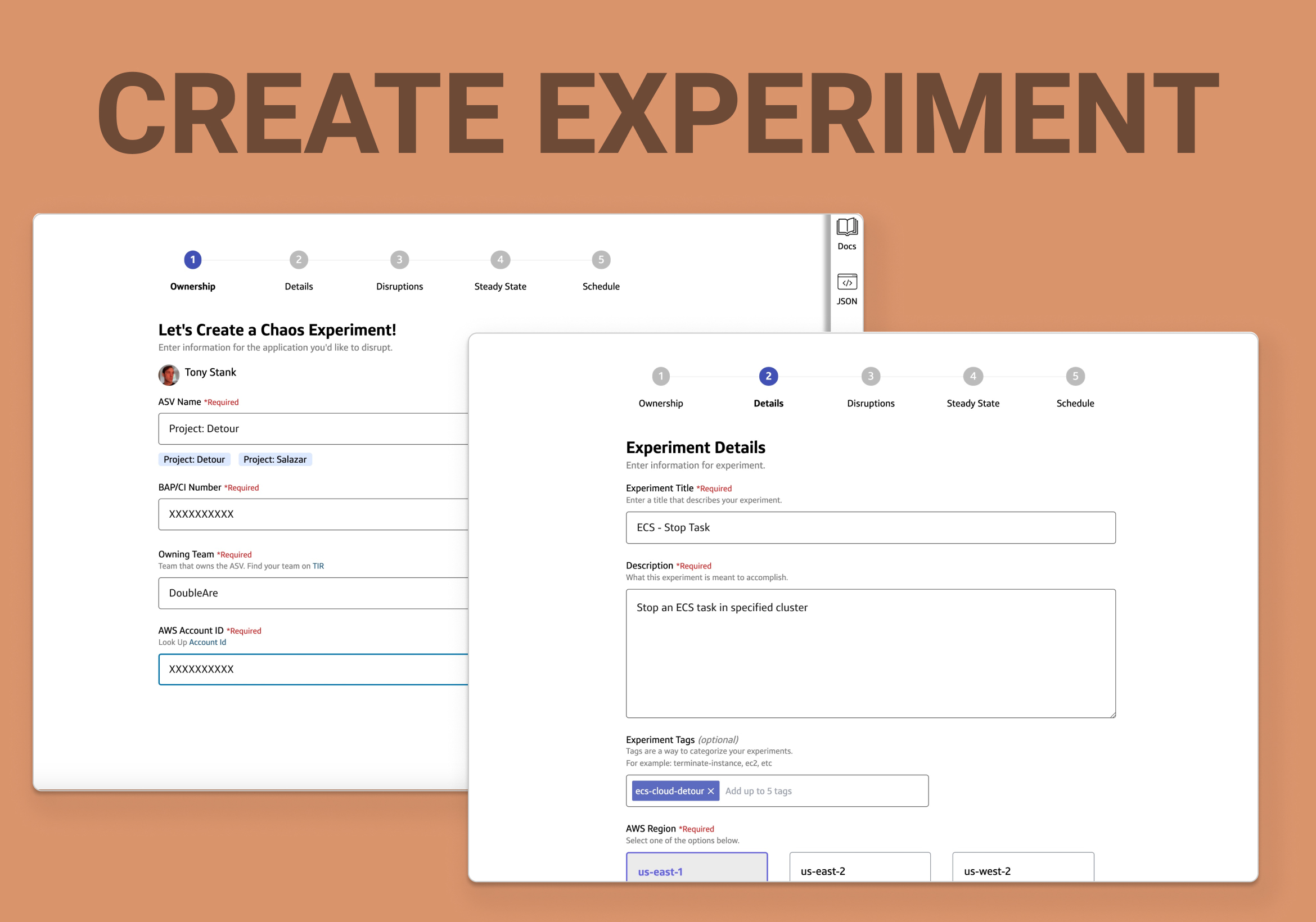
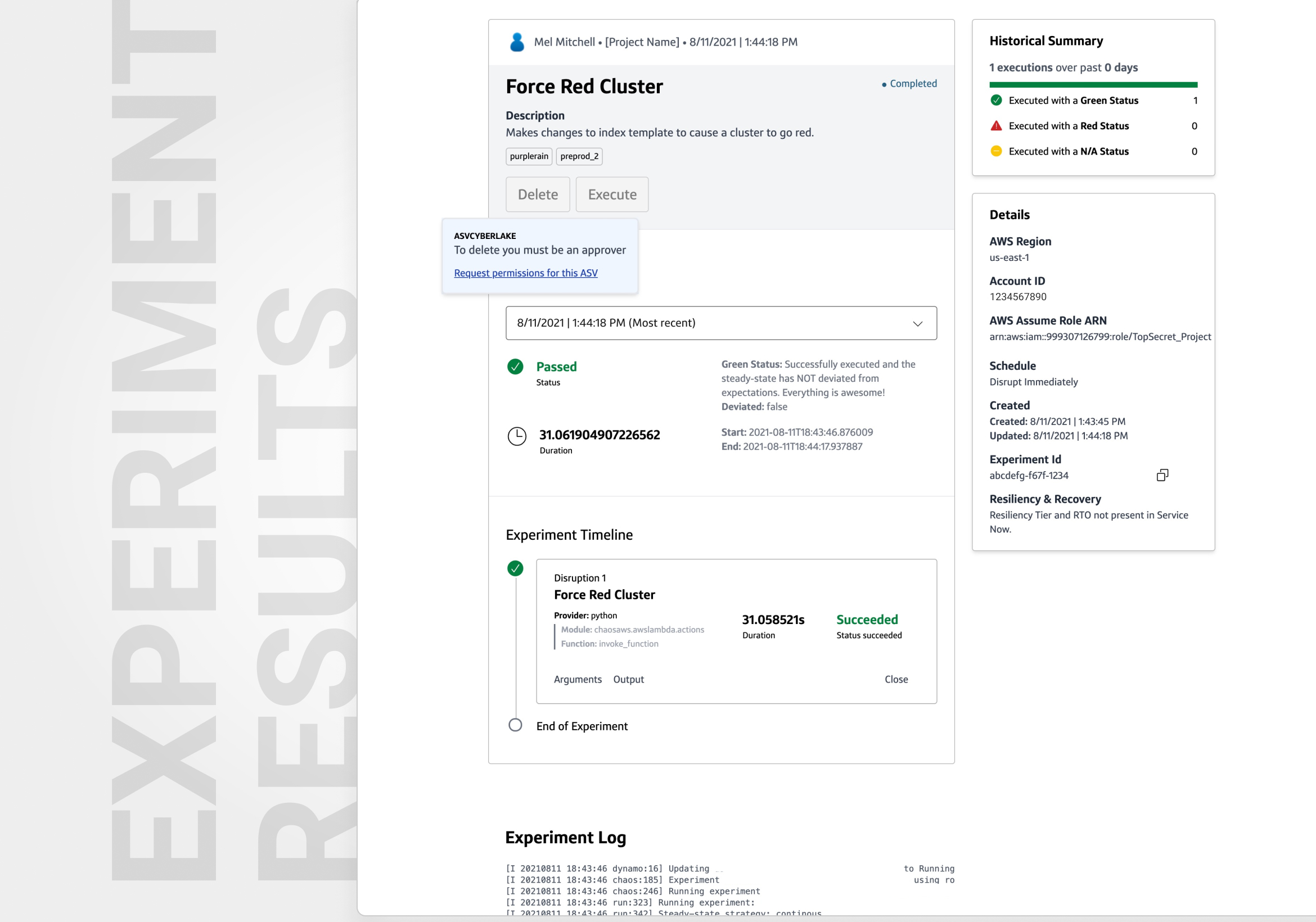
Product: Build resilience to failure, maintain customer trust, and improve incident response with Cloud Detour's chaos engineering platform.
Challenge: Improve adoption and retention of a deeply technical application while identifying how it aligned with Capital One's business initiatives.
Where To Spend
↗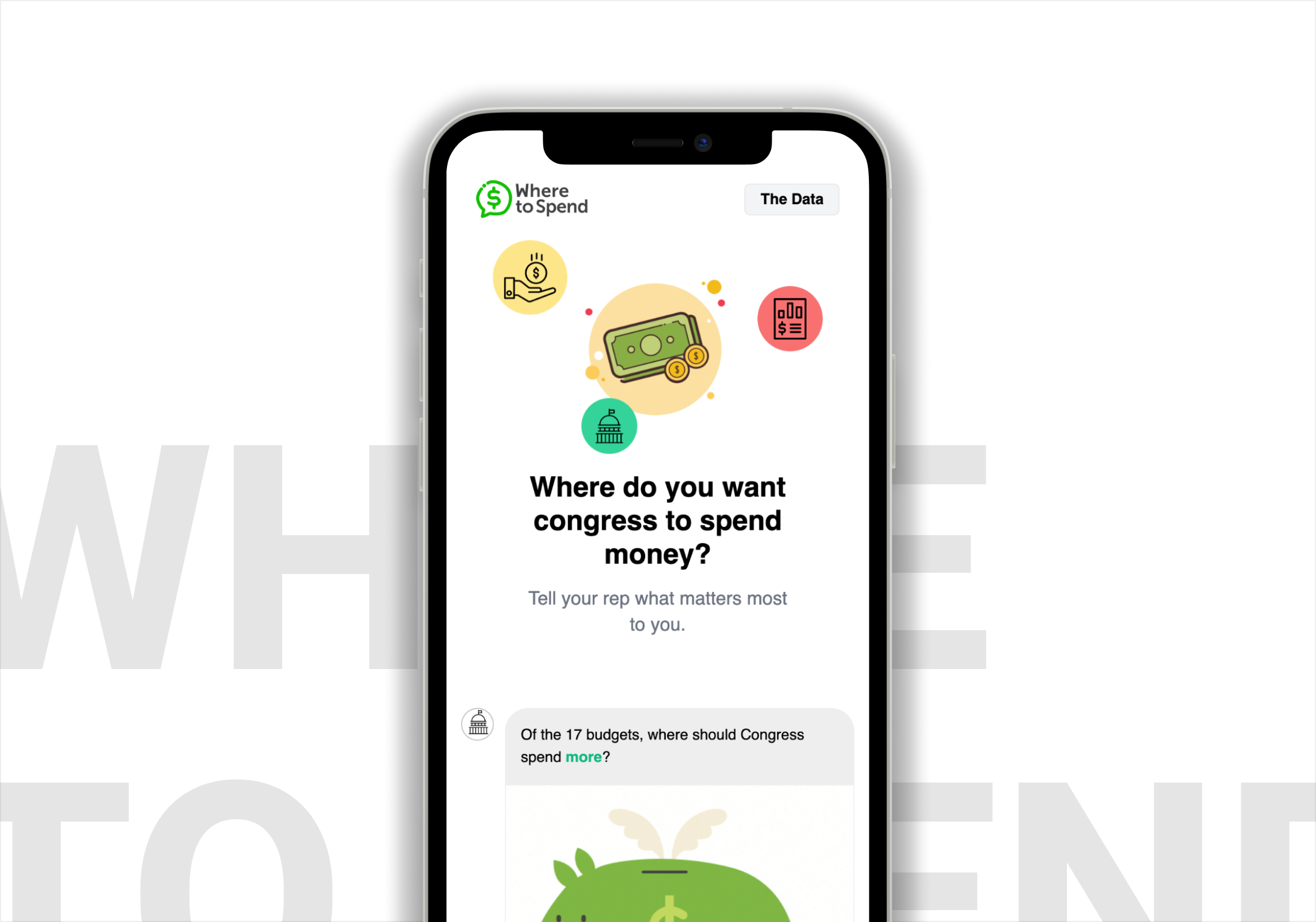
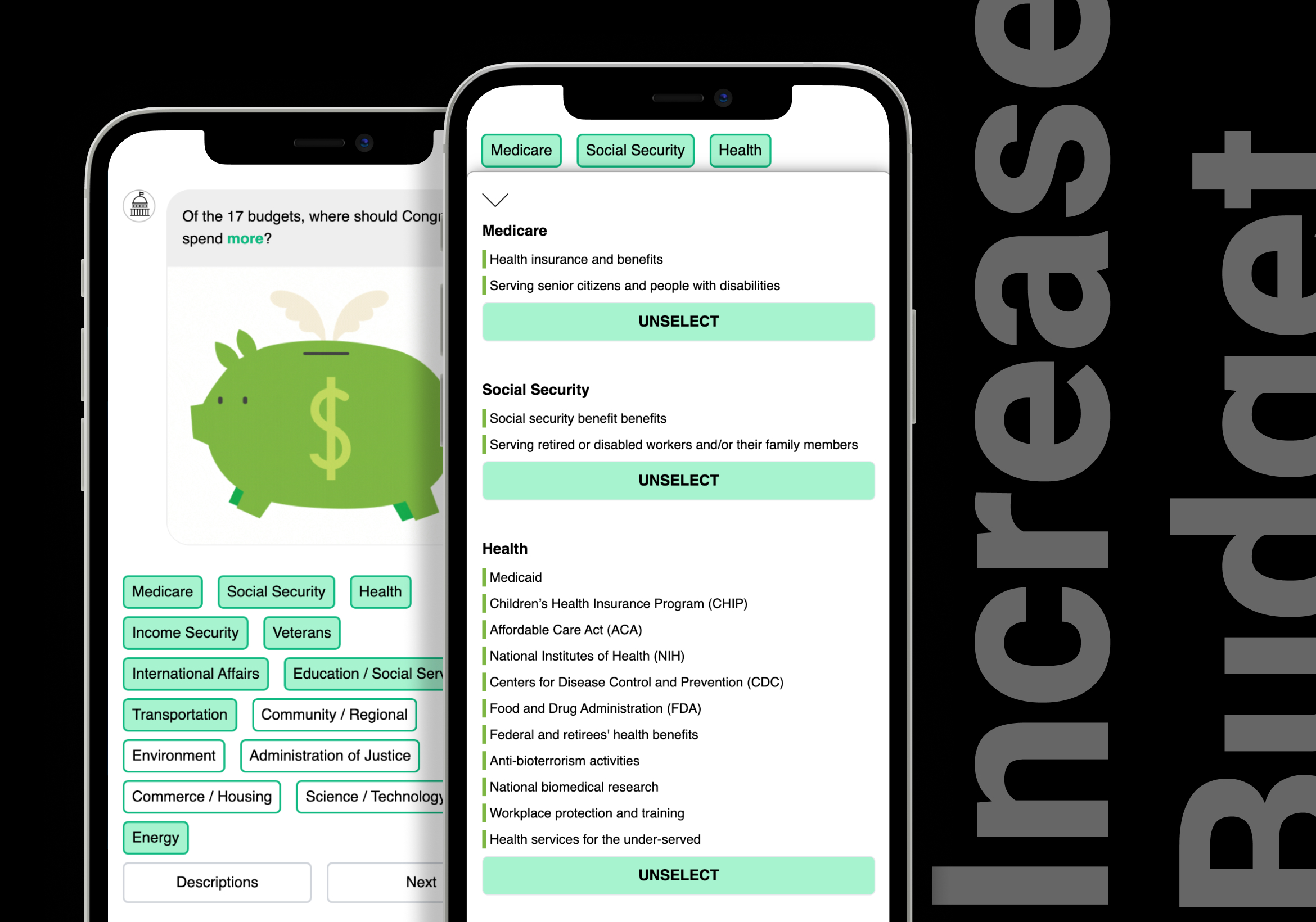
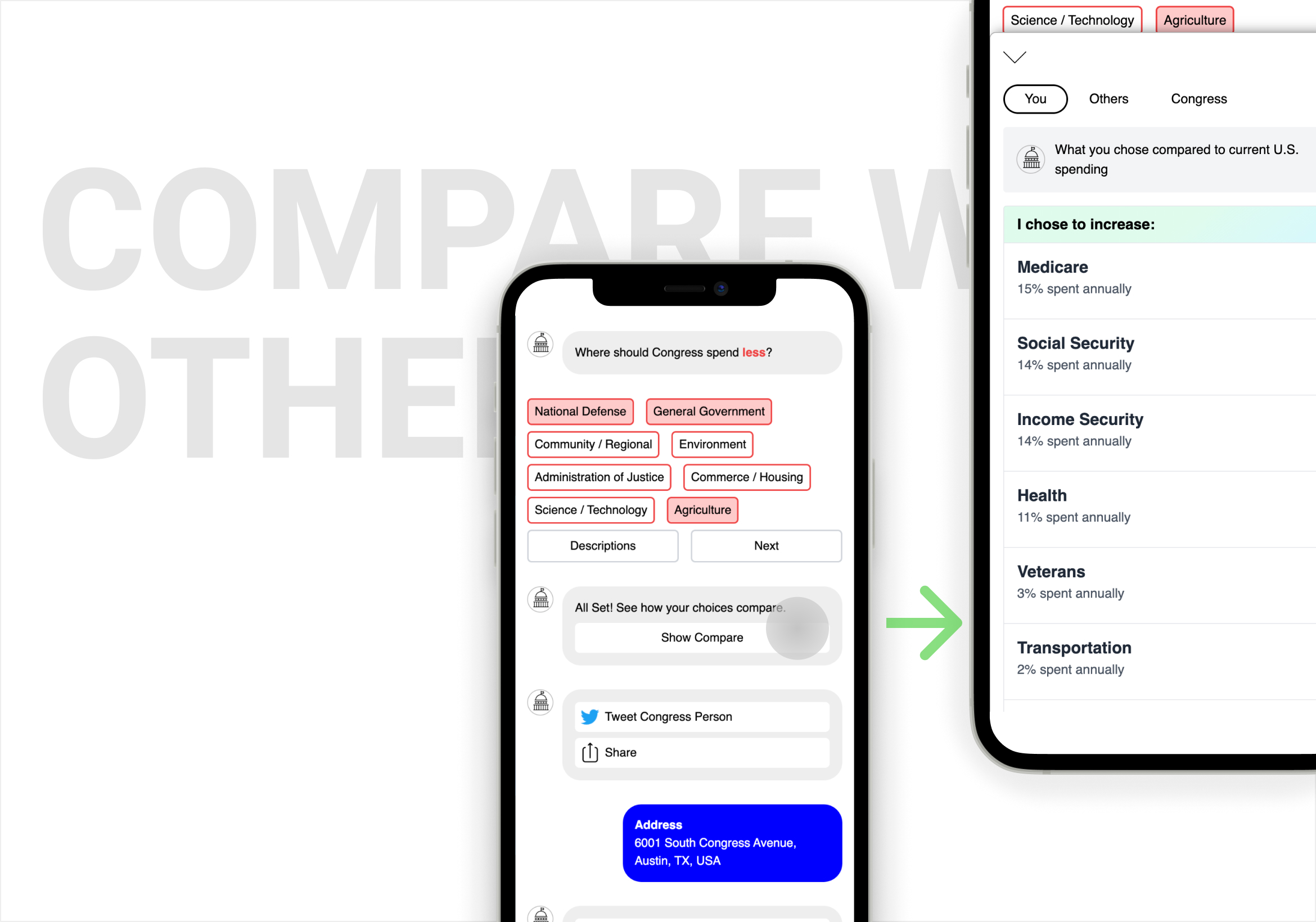
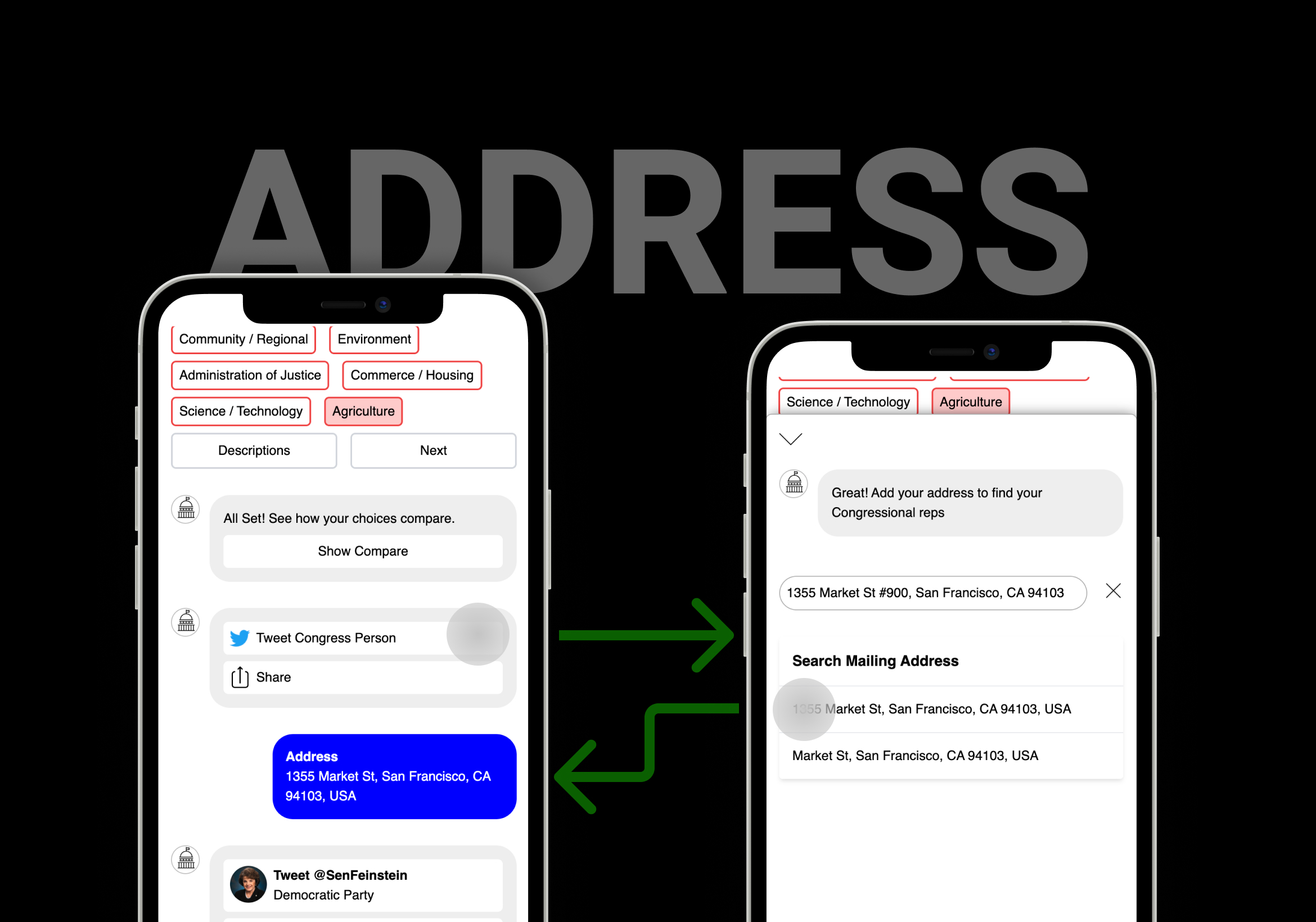
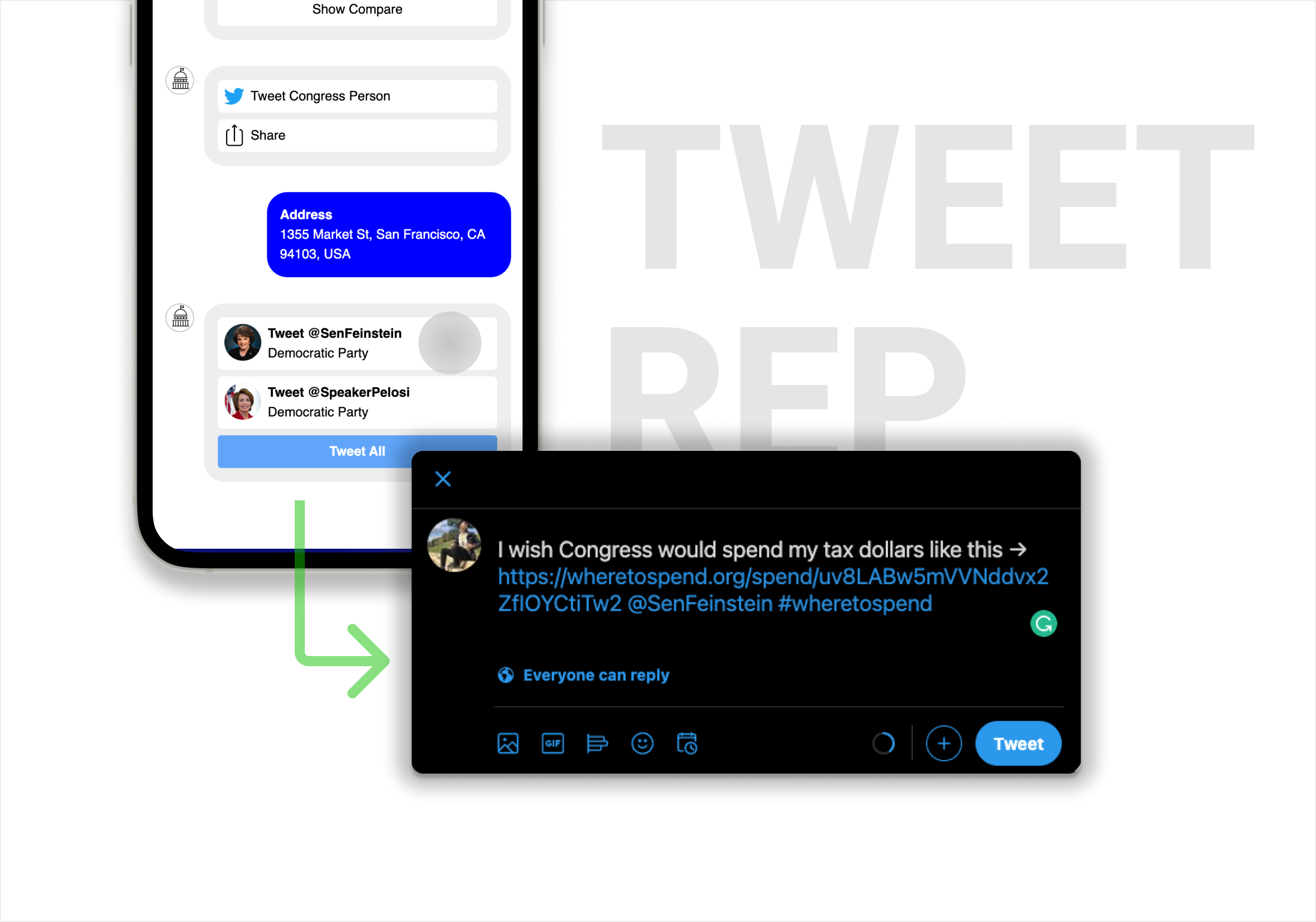
Premise: Where do you want congress to spend money? A tool for setting your own federal budget, comparing it against the real one, and telling your representative about it.
LineUp
↗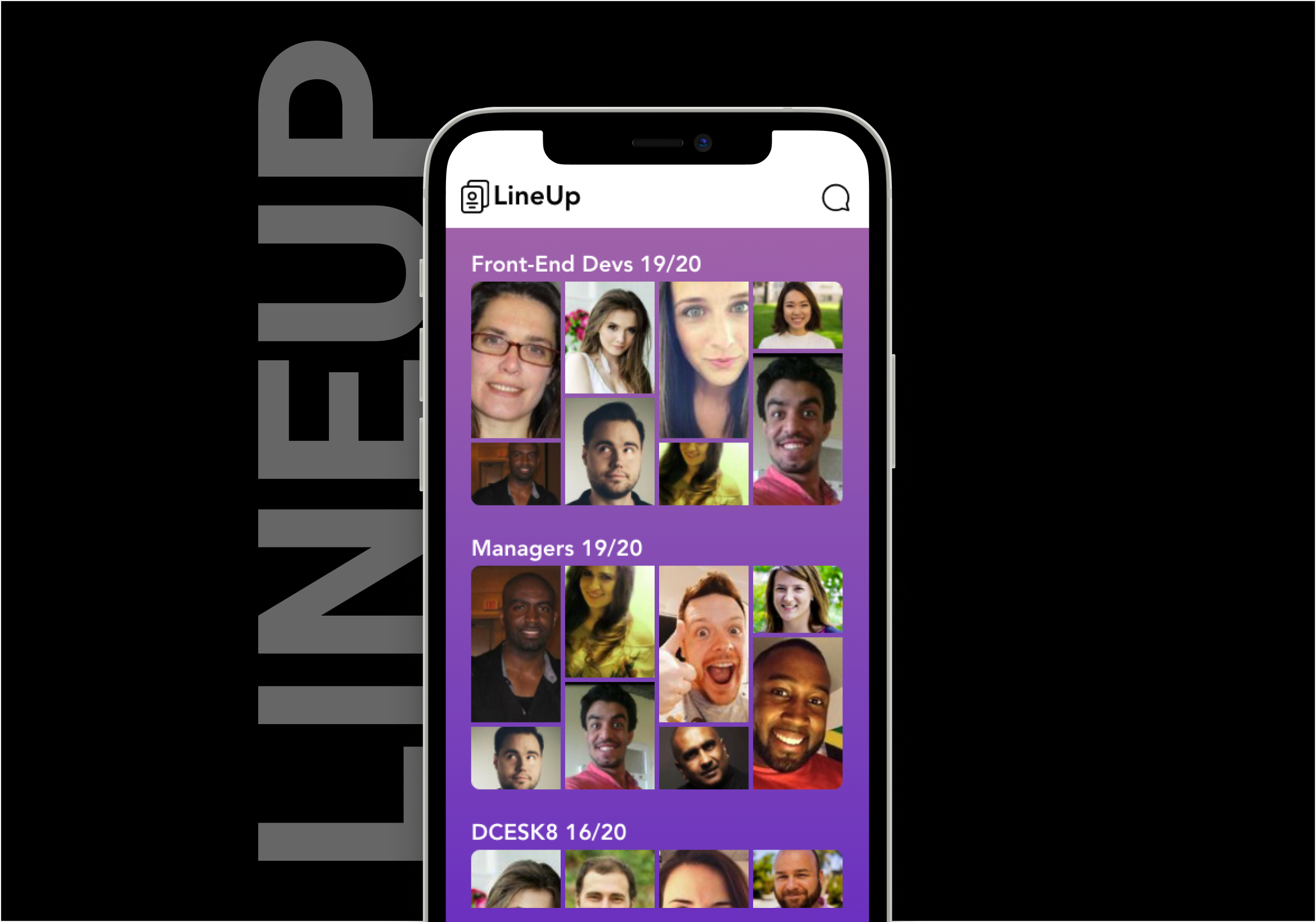
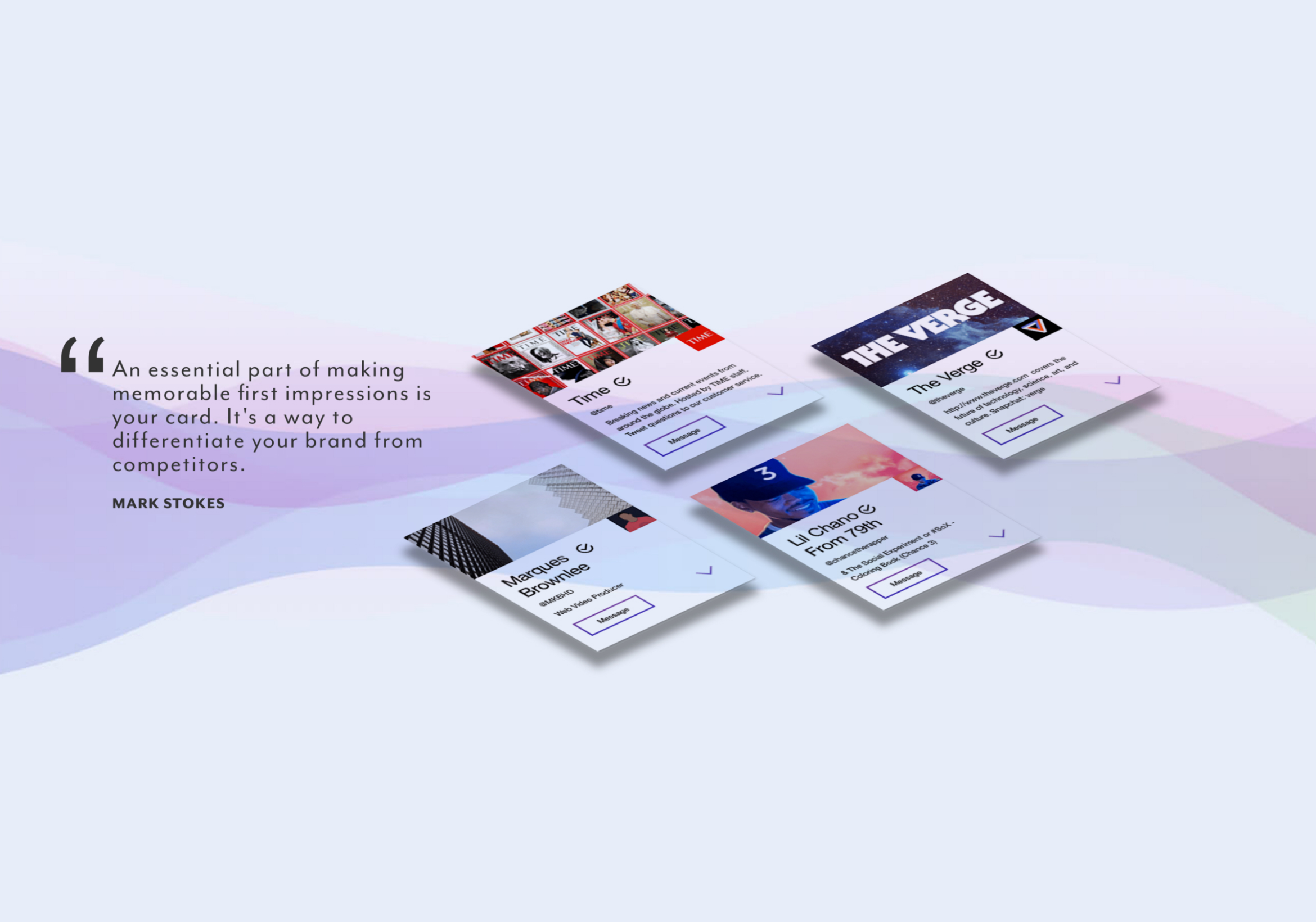
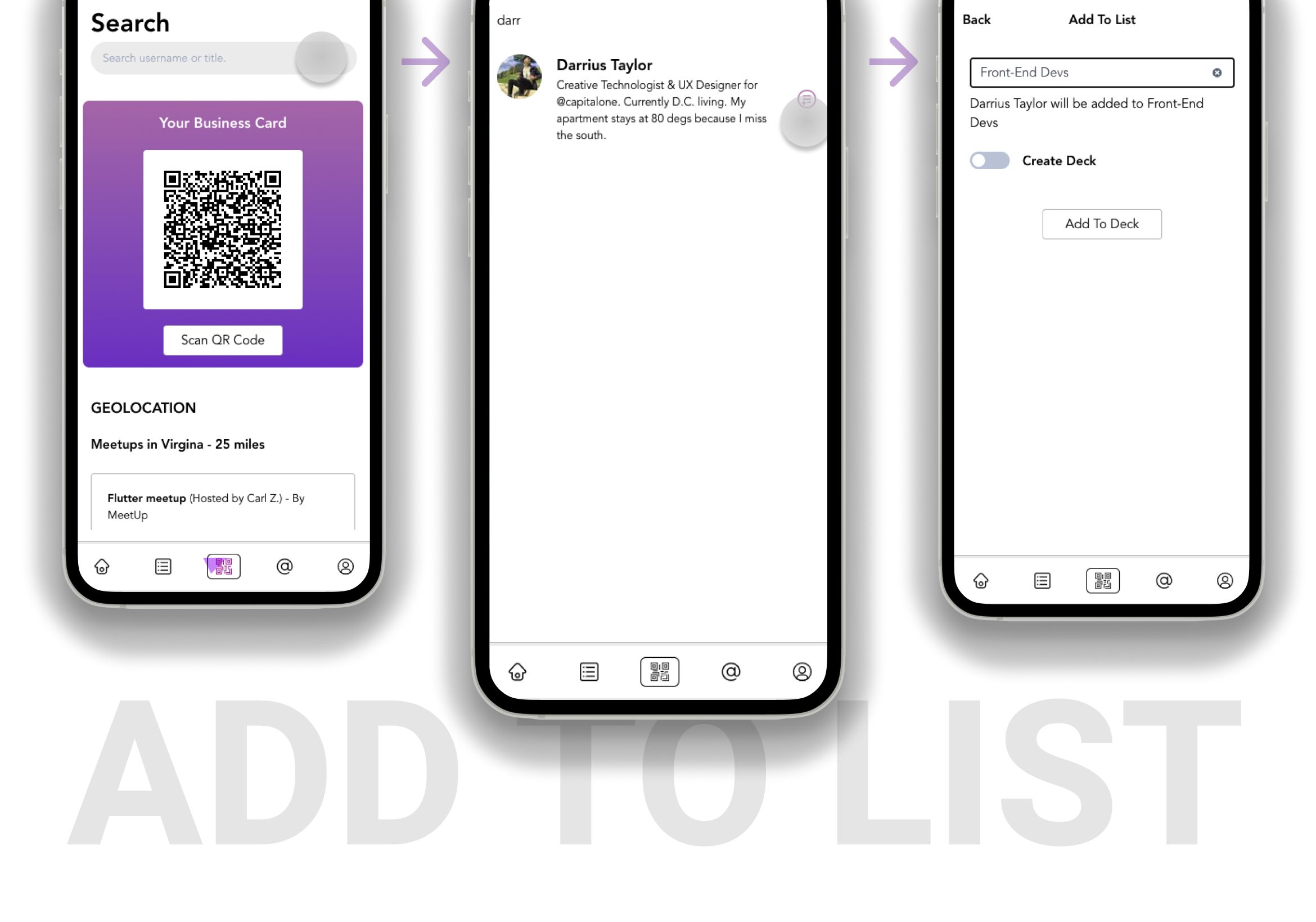
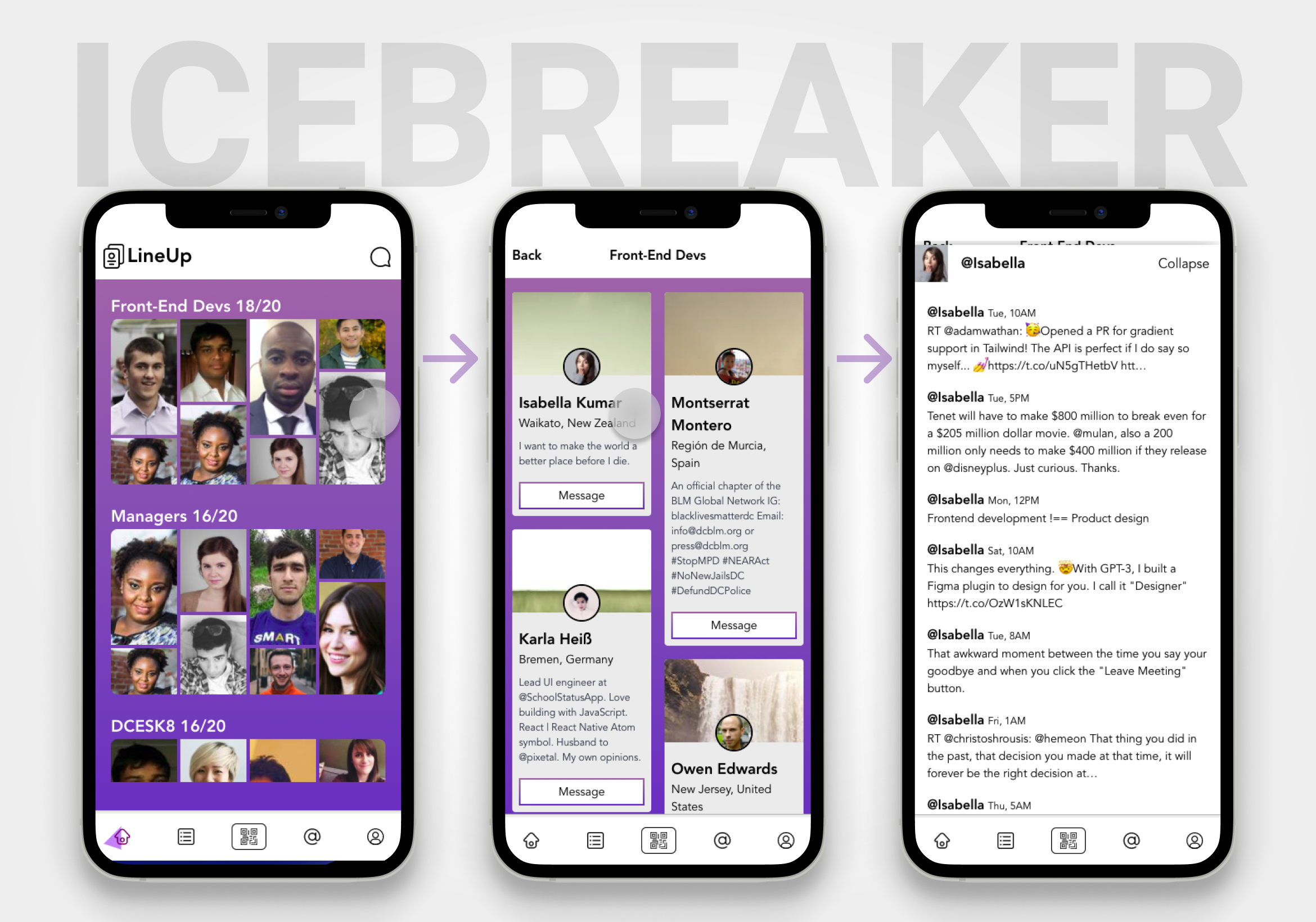
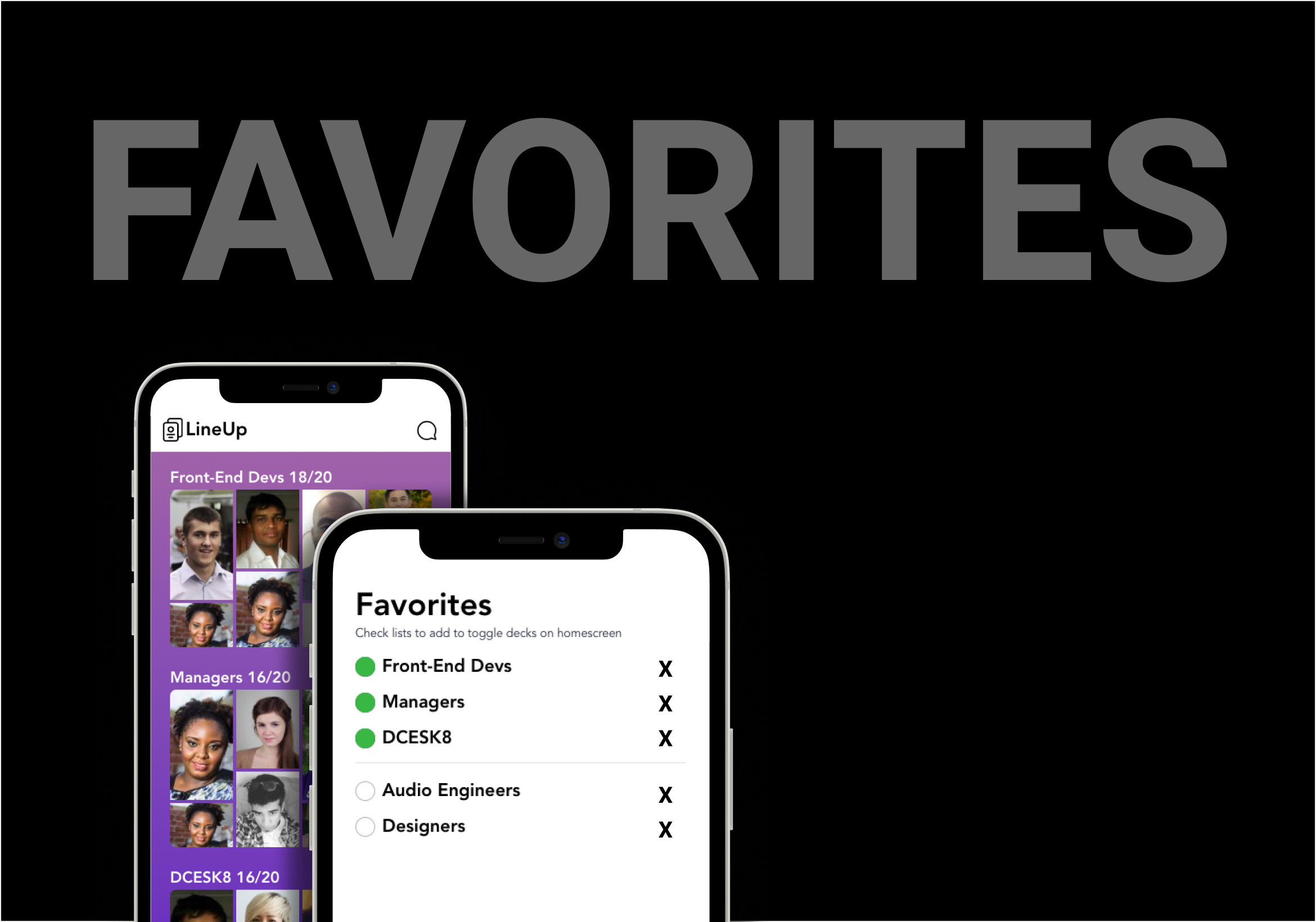
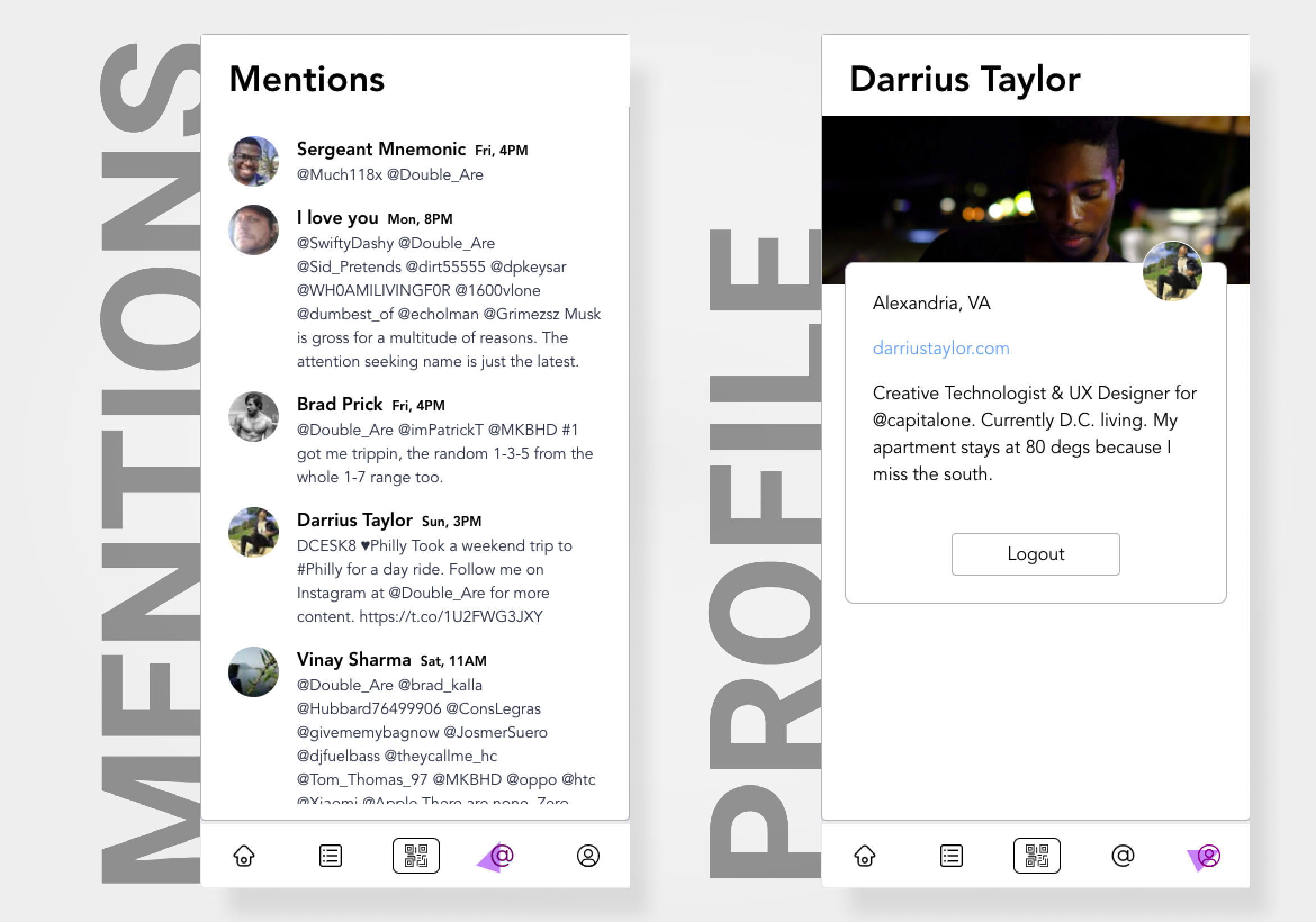
Premise: Turn your Twitter profile into a unique, sharable business card.
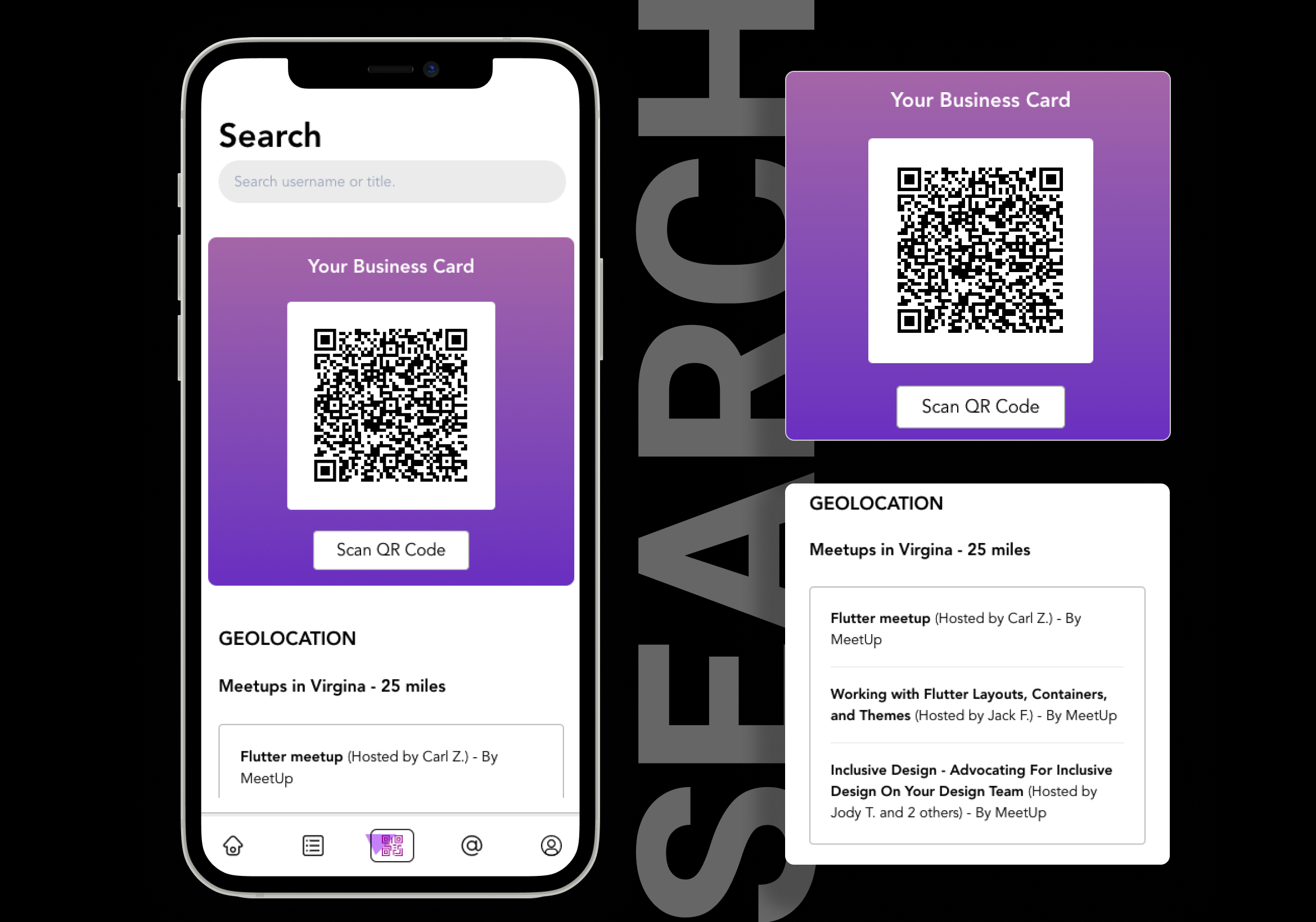
Approach: Trading business cards does not create relationships. To differentiate from competitors I focused on icebreakers, opportunities to learn more about a user's contacts, interests based on geolocation, and Meetup's API to find activities matching those interests.
Discovery One
Product: An application that identifies an employee's location inside a building and sends relevant push notifications, using machine learning and the unique addresses of wifi routers.